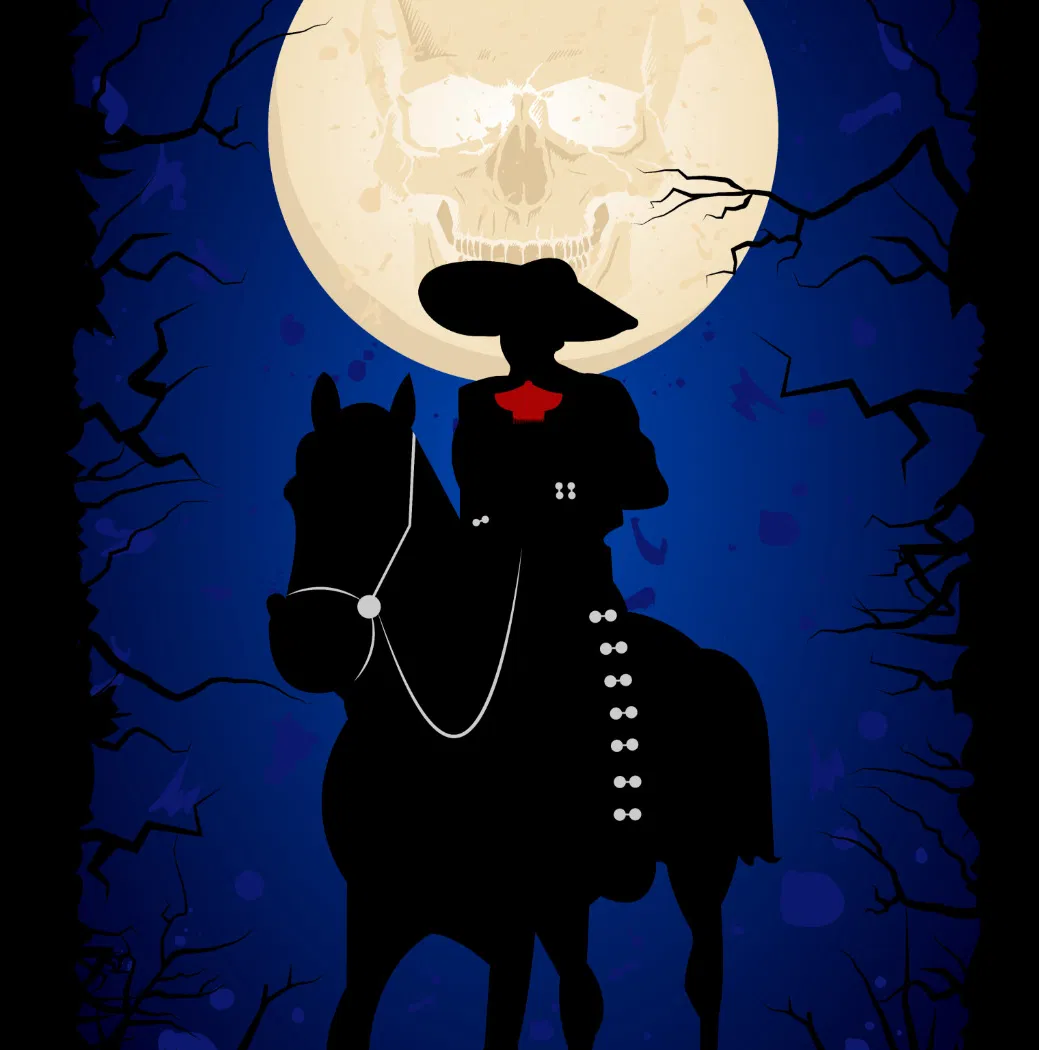
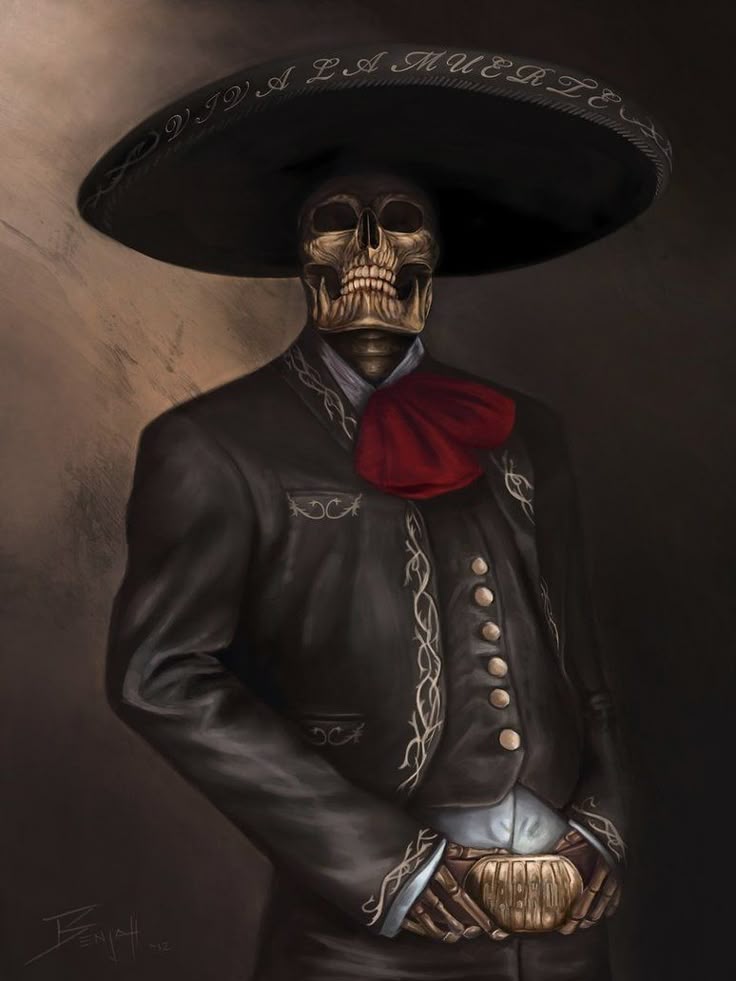
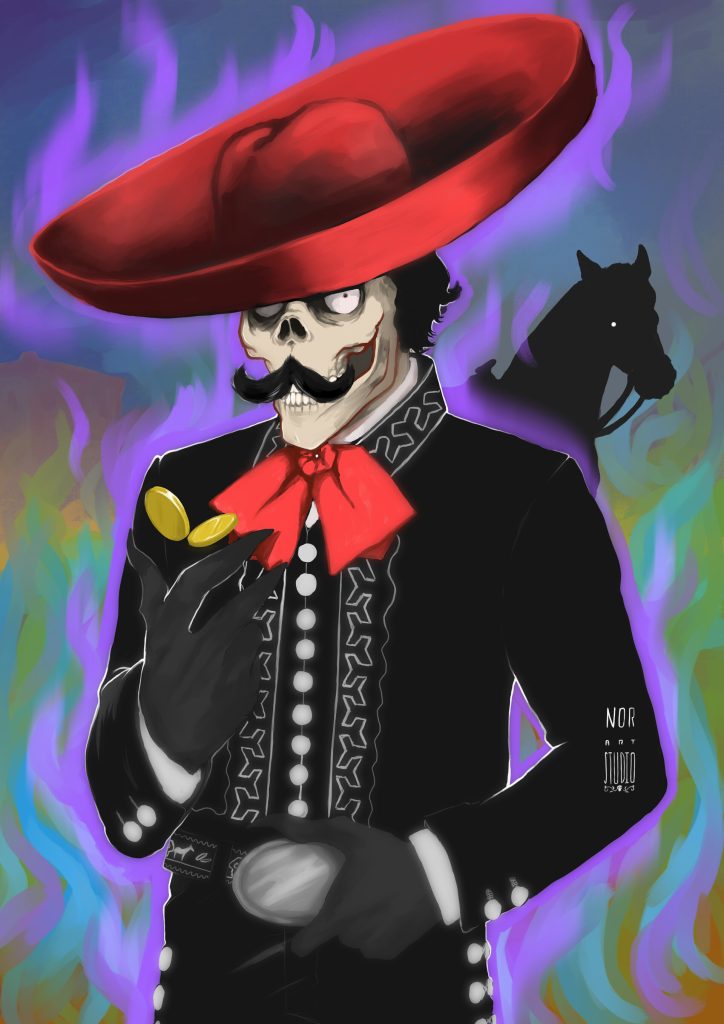
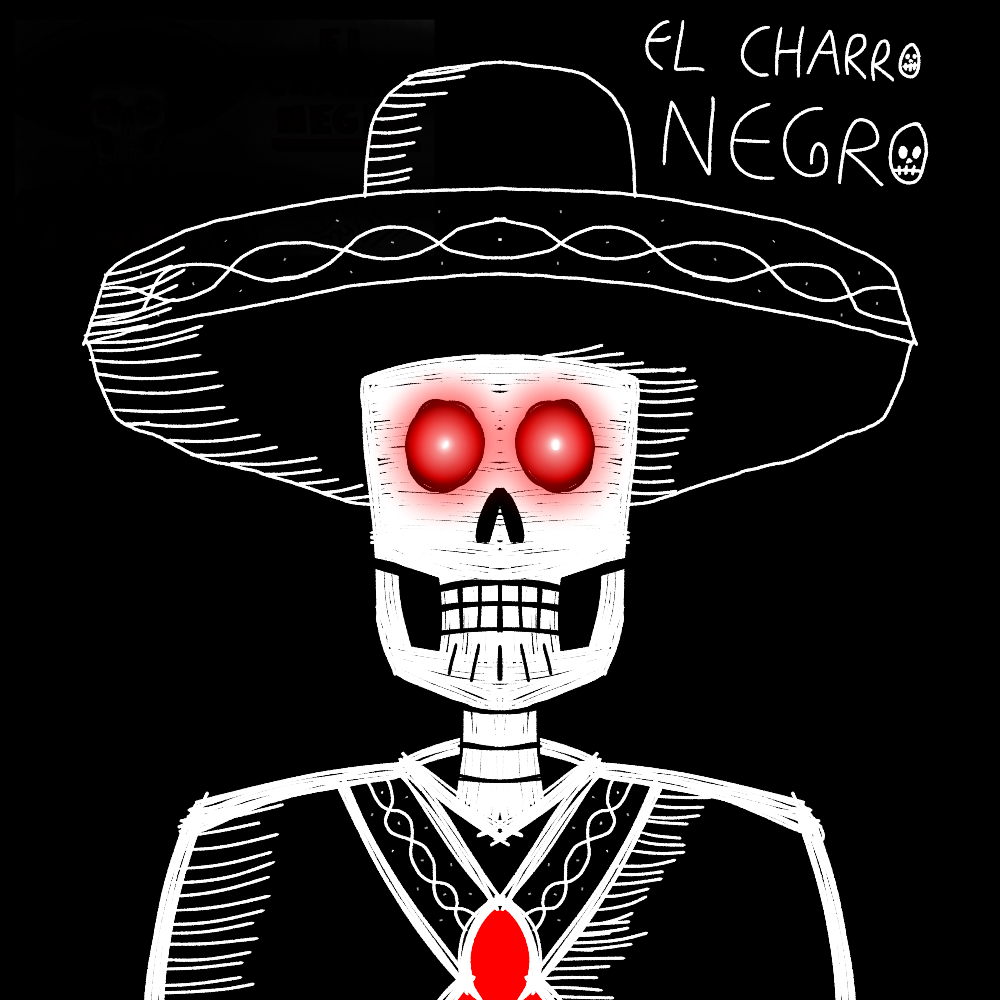
El Charro Negro The Midnight Rider of Folklore

Step into the haunting world of the Black Charro  a ghostly horseman garbed in a sleek charro suit, roaming Mexico’s lonely roads and offering tempting riches… for a terrifying price

Why This Legend Matters

The figure of the Black Charro touches on deeply human themes: temptation, greed, justice, and the supernatural. His story resonates because it combines folkloric imagery with a moral lesson: when something seems too good to be true, beware.
He has grown beyond just a local tale into a cultural symbol, showing up in films, music, video-stories and festivals.

Origins & Evolution

where the story comes from and how it’s changed

Encounters & Sightings

the spooky tales associated with the CharroLorem ipsum dolor sit amet elit

Cautionary Meaning

what the legend says about us today

Experience the Beauty

Who We Are

We are a group of folklore enthusiasts, storytellers and culture-preservers who believe that legends like El Charro Negro shape our understanding of history, human nature and community. 

Our Mission

To document and explore the legend of the Black Charro  its roots, variations and modern adaptations.

To provide accessible, well-sourced content so that this part of Mexican folklore

Why This Legend?

The Black Charro is more than just a scary story: he is an icon of Mexican folk culture, combining indigenous themes, colonial history and moral allegory. According to cultural folklorists, the figure “represents the dark side of the human soul 

What We Offer

In-depth articles on the legend’s history and variations.

Galleries and visuals highlighting how the legend is portrayed.

Discussions of cultural significance: what this legend still means for us.


What Makes Us Different

Lorem ipsum luctus dolor sit amet, consectetur adipiscing elit. Ut elit tellus, luctus nec ullamcorper tellus mattis, pulvinar 

Origins of the Legend

The Black Charro’s roots are complex, merging indigenous, colonial and European motifs. One academic summary notes: “the legend of El Charro Negro arises from the syncretism in 1920 between indigenous and European beliefs… he represents the dark side of the human soul, a story that warns of blinding greed

Regional Variations

Though commonly associated with Puebla, the Black Charro appears in versions from Jalisco, Hidalgo, Veracruz and more. 
Some variations emphasise him as the devil himself chasing souls; others portray him as a cursed man forced into eternal wandering. 
In certain indigenous traditions he is linked with deities (for instance “Tamatsi Teiwari Yuawi” in Wixárika/Huichol lore) representing a darker mestizo force

Typical Storyline

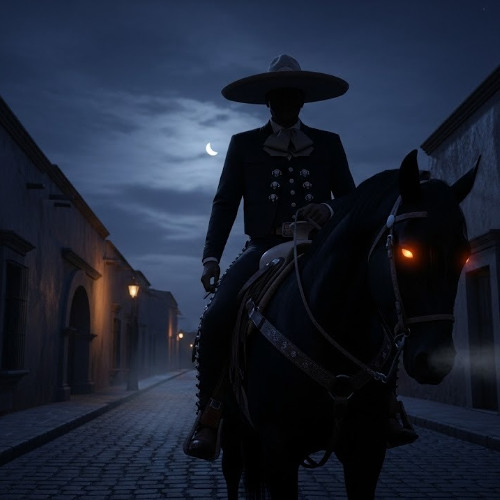
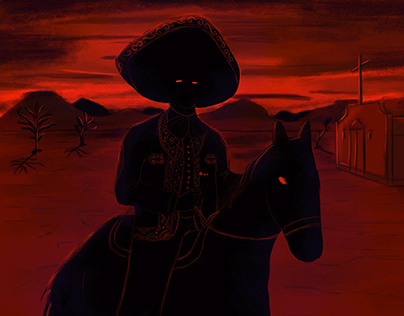
A well-dressed charro in a black suit, riding a jet-black horse, appears on remote roads at night. 

He offers help, or a bag of gold, or a ride, to someone travelling alone or in need
The recipient becomes bound by a hidden or supernatural contract; often they lose their soul, vanish, or suffer misfortune. The legend acts as a warning: greed, shortcuts to wealth or ignoring moral duty may invite supernatural consequences.

How He Got Famous

Oral tradition: The story spread in rural Mexico along the lonely roads at night, giving it an eerie authenticity.

Pop culture adaptations: For example the 2018 animated film La Leyenda del Charro Negro made the character accessible to younger generations. 

Symbolic power: Because the legend touches universal themes (temptation, doom, morality) it continues to resonate.

Visual imagery: The striking image of a sleek black horse, an elegant charro suit and the night-road setting makes for memorable storytelling.

What They Say About Us

Discover what others are saying about CharroNegro TV and explore the most common questions about the legend, our work, and our mission to keep folklore alive.

I grew up hearing about El Charro Negro from my grandmother in Jalisco, but it was just a story to scare kids. Watching CharroNegro TV brought it to life in such a vivid, respectful way — now I understand why people still whisper his name at night

Jhon Martin

The site mixes folklore, mystery, and Mexican history beautifully. The way you show both the dark myth and the cultural background is outstanding. I even used one of your articles for my university paper on Latin American ghost tales

Emma Colins

It’s rare to find a platform that treats legends with both respect and creativity. CharroNegro TV does exactly that it gives you the goosebumps and the knowledge

Olivia Reed

One night near Puebla, I saw a rider in black on a silent horse by the roadside. When I blinked, he was gone. Finding your site helped me realize I’m not the only one who’s had that experience.

Shopia Cartin

El Charro Negro (The Black Charro) is a legendary ghostly horseman from Mexican folklore. Dressed in an elegant black charro suit, he appears on lonely roads at night  often offering gold, a ride, or help to travelers in distress. But beware: accepting his offer usually means making a deal with the devil, or losing your soul. His story serves as a moral warning about greed and temptation.


The legend’s roots go back to the early 20th century but blend older indigenous beliefs and Spanish colonial influences. It’s said to have originated in central Mexico  especially states like Puebla, Hidalgo, and Veracruz  where rural communities often shared ghost tales around campfires or in haciendas. Over time, the story evolved and spread across Mexico and beyond.

He stands out because he represents both fear and fascination — a symbol of Mexico’s rich blend of myth, religion, and morality. His striking black attire, elegant horse, and eerie midnight appearances make him unforgettable. Pop culture  including the 2018 animated film La Leyenda del Charro Negro  helped make him known worldwide.

Frequently Asked Questions

The story of El Charro Negro lives through those who tell it. Here are their voices, and the answers that keep the legend alive

Where myths come alive.
Where stories never rest.
This is CharroNegro TV

Get In Touch

Charronegro TV is represented by state licensed Talent Agency. If you’re interested in advertising or submitting an offer, please contact Talent Agent John D Abravanel Berdugo at 323-359-5210.